

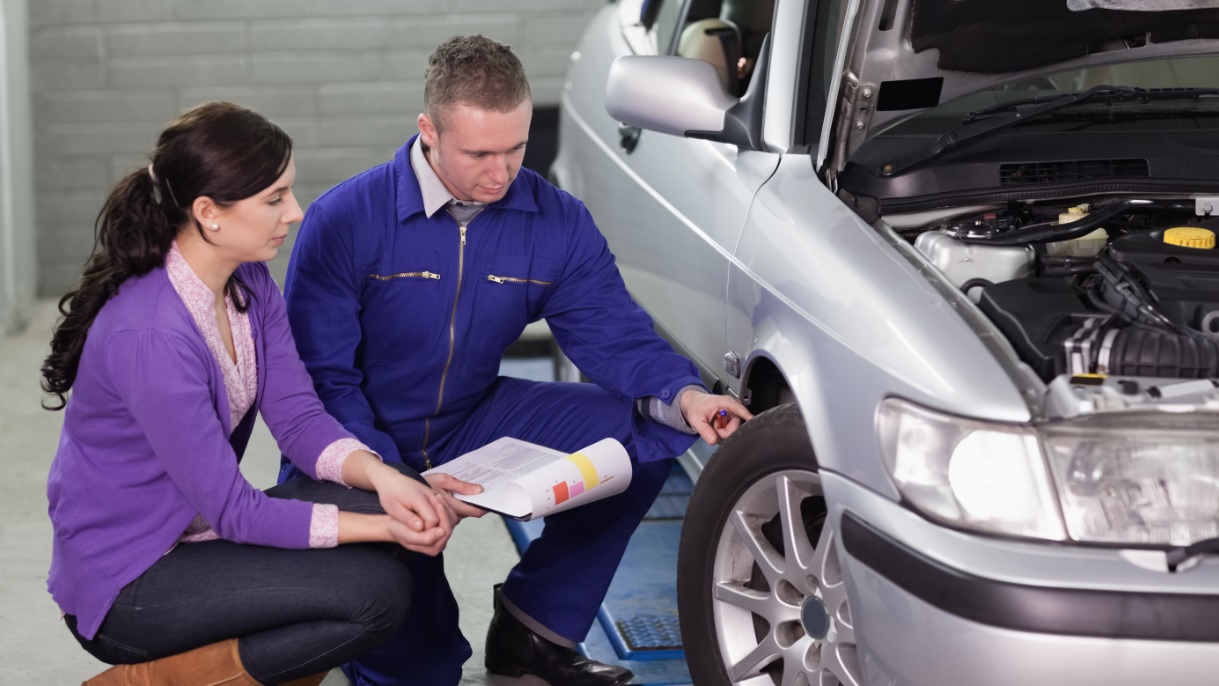
The process of choosing a collision center can be stressful due to the need to complete post-accident repairs as quickly as possible. An enhanced repair site or a welcoming front desk can make the initial impression, but neither can determine whether the shop fixes a dent or a problem. Here, the most important thing is to compare your local collision centers before you considerone.
Here is how you can compare:
1. Know What Kind of Repair You Need
The first step is to identify exactly what your car requires, since not all shops have the same level of skill. A search for the Best Auto Body Shops can be the starting point for many drivers. However, a smart comparison involves more than just the ratings, the framework, matching the paint, and safety inspection. When you are aware of the existence of cosmetic damage, structural damage, or insurance paperwork, you have the ability to sift weak choices out of them far more quickly.
2. Read Reviews with a Careful Eye
The second thing to do is to read recent reviews, intelligently rather than just focus on the star rating, as a high rating may conceal real issues. Watch out for signs of delay, inadequate updates, unexpected bills, color incompatibility, low-quality service, and the durability of repairs. The business’s responsiveness to complaints is another area you can consider, as you can learn a lot by watching how the team responds to pressure, which is likely to be composed of calm, specific replies.
3. Compare Estimates Side by Side
With a list of short requests, each collision center is to provide a written estimate that specifies labor, parts, paintwork, and any additional charges. An effective estimate must reflect what repairs are planned, what needs to be replaced, refinished, or even inspected in the shop, and it should not leave you guessing what is covered. When comparing estimates, the final price should not be the only variable of concern, since the lowest quote may minimize steps that affect safety and quality. Therefore, always do the following:
- Check whether OEM, aftermarket, or recycled parts are listed on the estimate.
- Decipher whether there is paint material, color mixing, and finish work.
- Inquire about alignment, scanning, or sensor calibration during the repair.
- Check tests of after-sales damage identified.
4. Inquire About Parts, Paint, and Materials
The quality of parts influences the cost, aesthetics, and durability; hence, the critical focus on this topic. Some shops focus on original equipment parts so the part fits the factory, while others recommend aftermarket or recycled parts to reduce the bill, with both options having trade-offs. Ask who grants or denies any part changes during the repair process, since replacing parts at the last minute may compromise safety, durability, and cost.
5. Check Training, Certifications, and Equipment
A reputable collision center would respond in understandable language about its training, certifications, and the equipment used to repair vehicles. The equipment needed to work with modern cars may include specialized instruments to measure the frame, weld the frame, cure the paint, or calibrate a driver-assistance system. Thus, even a shop that has been operating for years may not automatically succeed with outdated methods. When the personnel often deal with your brand of vehicles and adhere to present repair guidelines, it is an excellent advantage.
6. Review the Warranty and Insurance Process
Your warranty ought to be thought over before you make a reservation, just like you ought to think over the estimate, since verbal commitments may seem firmer than those in writing. The good warranty must specify what is covered, for how long, and what should be done if a paint breakage, poor panel fit, or any other problem occurs after the repair has been made. Also, inquire about the shop’s insurance coverage, as efficient paperwork saves time, but quality must not be compromised to get a claim approved sooner.
7. Visit the Shop Before You Commit
Where possible, go to the store and make your final decision after physically visiting it, as there are things these records never show that can be seen in person. Seek an organized front desk, a clean waiting room, a secure parking lot, clear signs, and employees who respond to straight questions with straight answers rather than sales rhetoric. You are not required to be showroom-perfect, but you would like a place that appears organized, sincere, and serious about repair requirements.
In summary, this right local collision center is not necessarily the most inexpensive, closest, or flashiest ad center. It is the one that provides clear estimates, uses the correct parts and techniques, speaks fluently, and stands by the repair once your car leaves the lot. Since they compared shops in advance before booking, you reduce your risk, ensure your car, and a stressful situation is easier to deal with.

Comments are closed.