

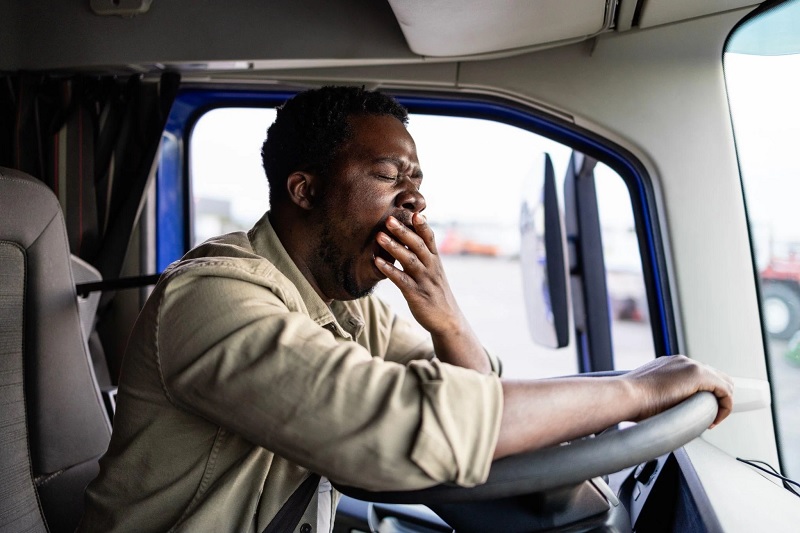
You are cruising down a long, uninterrupted stretch of the interstate. The hum of the tires against the asphalt is steady, the engine purrs in a predictable rhythm, and the dashed white lines blur into a continuous stream. Suddenly, you snap back to reality and realize you have absolutely no memory of the last twenty miles. You did not drift out of your lane, you did not miss a curve, and you successfully navigated around slower traffic, yet your conscious mind was completely checked out.
You have not experienced amnesia, nor were you asleep. You have just survived a classic episode of highway hypnosis.
For anyone who frequently undertakes long road trips or commutes across vast, flat landscapes, this phenomenon is intimately familiar. While it is a fascinating quirk of the human brain, it is also a significant vulnerability when you are piloting two tons of steel at high speeds. Understanding what causes your mind to detach from the task of driving is the first step toward implementing concrete strategies that keep you safely anchored in the present moment.
The Psychology Behind the Stare
To comprehend highway hypnosis, we have to look at how the human brain manages complex, repetitive tasks. When you first learn to drive, every action requires intense conscious effort. You actively think about the pressure of your foot on the accelerator, the angle of the steering wheel, and the distance of the car ahead. However, once you become an experienced driver, these mechanical actions are relegated to the subconscious mind through a process called automaticity.
Automaticity is highly efficient. It allows you to operate a vehicle without mental exhaustion. But under the right environmental conditions, automaticity can push the conscious mind entirely out of the driver’s seat.
Highway hypnosis, historically referred to as white line fever, occurs when a driver enters an altered mental state—essentially a mild trance. The brain continues to process the immediate requirements of driving. Your eyes remain open, you react to basic stimuli, and you keep the vehicle centered in the lane. Yet, because the environment is so monotonous and devoid of new, challenging information, your conscious mind disengages and wanders off into deep thought or daydreams. Because the conscious brain is not recording the mundane details of the drive, you are left with a terrifying gap in your memory when you finally snap out of it.
Highway Hypnosis vs. Fatigued Driving
It is crucial to draw a sharp line between highway hypnosis and drowsy driving, as they are often incorrectly used interchangeably.
Fatigue is a physiological state of exhaustion. When you are fatigued, your body is actively demanding sleep. Your reaction times slow to a crawl, your eyelids grow heavy, and you run the risk of experiencing micro-sleeps—brief moments where you actually lose consciousness. Fatigued driving is notoriously deadly because an asleep driver will not apply the brakes or steer away from a collision.
Highway hypnosis is a psychological state of detachment. You can be entirely well-rested, fully caffeinated, and still fall victim to the trance of the open road. In a hypnotic state, your reaction times may be slightly delayed because your conscious mind has to snap back to reality before processing a sudden hazard, but you are still awake. Both states are dangerous, but while sleep is the only cure for fatigue, active sensory disruption is the cure for highway hypnosis.
The Environmental Triggers of the Trance
The environment inside and outside your vehicle plays a massive role in lulling your brain into autopilot. Recognizing these triggers can help you anticipate when your focus is likely to slip.
Visual Monotony and Predictability
The brain craves novelty to stay alert. When you drive through visually repetitive environments—endless miles of cornfields, flat desert highways, or long stretches of interstate at night where all you see are the tail lights of the car ahead—your brain stops expecting new information. Without unexpected visual disruptions, the conscious mind essentially powers down to conserve energy.
The Sensory Void of Modern Vehicles
Automakers have spent decades refining the cabin experience. Today, vehicles feature heavy sound deadening, acoustic glass, buttery-smooth suspensions, and adaptive cruise control. While this makes for a luxurious ride, it isolates the driver from the raw, tactile feedback of the road. You no longer feel the vibration of the engine or hear the rush of the wind. This sensory deprivation chamber removes the physical cues that remind your brain you are traveling at seventy miles per hour.
Proven Strategies to Break the Trance and Stay Alert
Combating highway hypnosis requires deliberate action. You cannot simply command your brain to pay attention; you must manipulate your environment and your behavior to force your conscious mind to stay engaged.
Master Your Cabin Environment
Comfort is the enemy of vigilance on a long drive. A warm, cozy cabin signals to your body that it is time to relax. To fight this, drop the cabin temperature by a few degrees. A slightly chilly environment forces your nervous system to stay alert.
Furthermore, adjust your seating position. If you are leaning back into a relaxed, lounging posture, your brain will follow suit. Sit upright, ensure your lower back is supported, and position the steering wheel so that your arms are actively engaged. Physical posture directly influences mental acuity.
Engage the Brain Without Distracting the Eyes
Listening to the steady thumping beat of an electronic music track or the ambient noise of a rain playlist can actually accelerate the onset of highway hypnosis. Music often fades into the background, becoming part of the monotony.
Instead, feed your brain content that requires active cognitive processing. Listen to engaging podcasts, intricate audiobooks, or stand-up comedy. When you are processing an argument, following a complex narrative, or anticipating a punchline, your conscious mind cannot slip into a dormant state. The key is to engage your intellect without taking your eyes off the road.
Practice Active Visual Scanning
Staring blankly at the bumper of the car in front of you or fixating on the dashed lines is the fastest way to induce white line fever. You must actively break this fixed gaze.
Make it a habit to constantly shift your visual focus every few seconds. Look a quarter-mile down the road, check your rearview mirror, scan the right shoulder for wildlife, glance at your speedometer, and check your side mirrors. By forcing your optic nerve to continuously feed varied data to your brain, you prevent the visual system from locking into a hypnotic stare.
Deploy Tactile and Sensory Disruptions
When you feel the unmistakable fog of automaticity creeping in, introduce a sharp sensory disruption. Keep strong-flavored, crunchy snacks in the center console. Chewing sunflower seeds, biting into a crisp apple, or chewing intensely flavored peppermint gum accomplishes two things. First, the sharp flavor jolts your senses. Second, the mechanical act of chewing keeps facial muscles moving, which promotes blood flow to the head and keeps the brain actively processing physical movement.
You can also disrupt the sensory void by randomly changing the airflow. Turn the fan to its highest setting for a minute, or crack the window to let in a sudden burst of turbulent, noisy air. Breaking the quiet consistency of the cabin resets your awareness.
Respect the Two-Hour Rule
No matter how many podcasts you listen to or how much gum you chew, the human brain is not designed to focus on a single, continuous task for eight hours straight.
Commit to pulling over every two hours or every hundred miles, regardless of whether you feel tired. Getting out of the car to pump gas is not enough. You need to walk away from the vehicle, stretch your legs, do a few squats or jumping jacks, and look at objects that are not moving at highway speeds. Physical movement breaks the physical stiffness and completely resets your neurological baseline, allowing you to return to the driver’s seat with a refreshed conscious mind.
Reclaiming Command of the Wheel
Modern infrastructure and automotive engineering have made long-distance travel safer and more comfortable than at any point in history. However, that comfort comes with the hidden cost of complacency. Highway hypnosis is a natural neurological response to an unnatural situation, but it is one that you have the power to control.
By understanding the difference between simple fatigue and mental detachment, recognizing the environmental triggers that lull you into a trance, and proactively employing sensory and mental disruptions, you can keep your conscious mind firmly engaged. Driving is a dynamic responsibility, not a passive experience. Staying actively anchored in the moment ensures that you not only arrive at your destination but that you actually remember the journey.

Comments are closed.